Why Glamping Resorts Usage Rainfall Flies for Style and Function
Glamping has actually redefined what it indicates to sleep outdoors. Visitors expect the comfort of a store resort covered in the atmosphere of the wild, and every layout selection a resort makes needs to offer both state of minds simultaneously. Few elements do this as efficiently as the rainfall fly, the weatherproof outer layer curtained over a safari outdoor tents, bell camping tent, or yurt. What was once a simply sensible item of outdoor camping gear has actually ended up being a trademark style feature in the glamping market, shaping both just how a resort executes in bad weather condition and how it searches in a guest's images.
Safeguarding the Visitor Experience from the Aspects
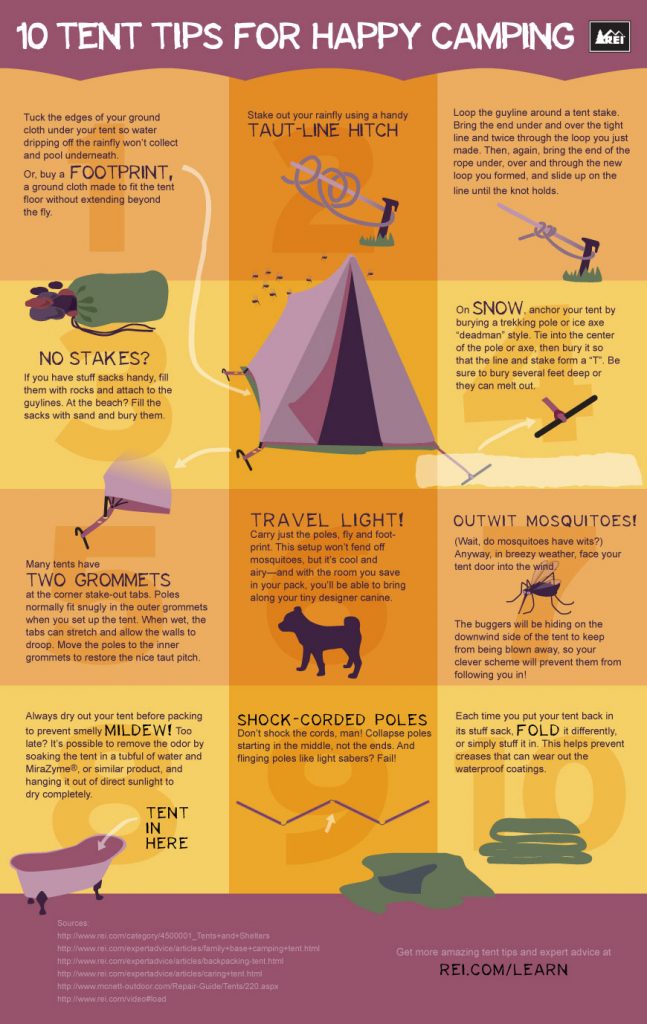
At its core, a rainfall fly exists to keep water out. Glamping frameworks are typically constructed with canvas walls, mesh windows, and al fresco porches, all of which are at risk to wind-driven rainfall and pooling moisture. A well-fitted rain fly produces an obstacle over the camping tent's roofline, directing water far from seams, zippers, and windows prior to it can seep within. This matters enormously for visitor complete satisfaction. A leaking tent throughout a storm can turn a luxury review right into a one-star complaint overnight, and unlike a hotel, a glamping device can not simply relocate a guest down the hall while upkeep is called.
Past leaks, rainfall flies also shield the structural canvas itself. Direct direct exposure to sunlight, rain, and wind breaks down textile with time, triggering fading, mold, and weakening of the material. By acting as a sacrificial external layer, the rain fly takes in a lot of that environmental wear, expanding the lifespan of the a lot more expensive inner outdoor tents structure. For resort proprietors managing lots of devices throughout a residential property, this equates directly right into lower lasting upkeep and replacement prices.
Controling Temperature and Air Movement
Rain flies do greater than block rainfall. The airspace between the fly and the outdoor tents's roofing system acts as insulation, minimizing heat build-up throughout the day and slowing warmth loss at night. Many glamping hotels use adjustable flies with roll-up sides or vented panels, allowing team or visitors to tweak airflow depending on the period. In damp climates, this air flow space additionally assists prevent condensation from creating inside the camping tent, which can otherwise leave bed linen and furniture wet and stuffy.
A Style Element as High As a Shield
What sets glamping apart from traditional camping is the deliberate focus to looks, and rain flies have actually entered into that aesthetic language. Resorts commonly choose fly shades and shapes that complement the bordering landscape: earthy canvas tones for desert setups, deep eco-friendlies for forested residential or commercial properties, or crisp white covers for coastal areas. The shape of a peaked or bell-shaped fly against a hill backdrop has come to be nearly famous in glamping advertising digital photography.
Some hotels go better, using the rainfall fly's overhang to produce a shaded veranda or entrance, extending the tent's usable exterior room while offering it an extra architectural, deliberate look. This obscures the line between a functional cover and a layout attribute, transforming what campers when deemed a rain coat for an outdoor tents into something closer to a roofline in a piece of boutique style.
Longevity That Supports the Brand name
Guests paying premium prices for a glamping remain anticipate the home to look spotless, not weathered or patched. Premium rain flies, usually made from ripstop polyester or canvas with water-proof finishings, stand up to tearing, UV degradation, and mold growth much much better than the outdoor tents textile alone. This durability safeguards the hotel's aesthetic brand as much as its physical structures. A discolored, sagging tent roofing weakens the feeling of deluxe a glamping resort is marketing, while a crisp, well-kept fly reinforces it.
Balancing Design and Practicality
The appeal of rainfall flies in glamping eventually comes down to a simple truth: guests wish to really feel linked to nature without giving up comfort or reliability. A rain fly delivers on both fronts. It fixes the functional troubles of weatherproofing, insulation, and architectural long life, while additionally adding to the eco-friendly curated, photogenic visual that attracts visitors to glamping in the first place.
Conclusion
As the glamping industry remains to grow and compete with conventional hospitality, small design decisions lug outsized weight. The rainfall fly is a clear example of function driving kind. It started as a practical solution to maintain outdoors tents completely dry, however resorts have transformed it into a specifying aesthetic component of the glamping experience. For any type of residential property wanting to stabilize guest comfort, structural resilience, and a remarkable aesthetic, purchasing well-designed rainfall flies is among the most basic and most efficient selections a glamping resort can make.